


-

Add: HeBei ShengShi HongBang Cellulose Technology CO.,LTD.
-

Email
13180486930@163.com -

CONTACT US
+86 13180486930
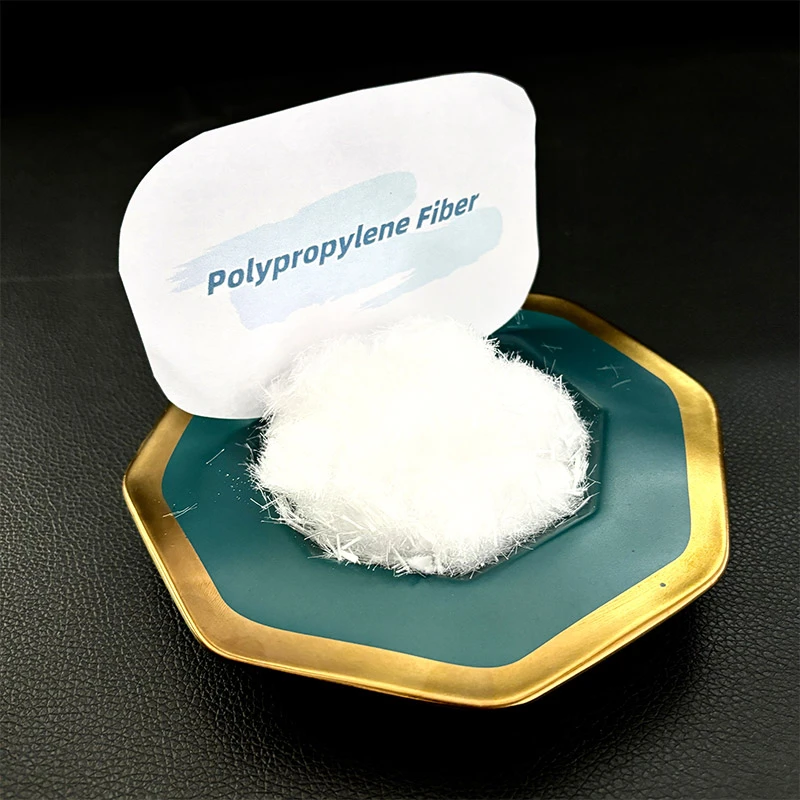



Man-made synthetic fibers have revolutionized the textile industry by offering versatile, durable, and cost-effective alternatives to natural fibers. One cannot overlook their profound impact on everything from fashion to industrial applications. Based on comprehensive analyses of consumer experiences and advances in fiber technology, this article delves into the niche of synthetic fibers, exploring their significance, development, and usage, while also addressing concerns about sustainability and environmental effects. Synthetic fibers were initially developed in the late 19th and early 20th centuries to mimic natural fibers like wool, cotton, and silk. Companies have since engineered these fibers to outperform their natural counterparts in many respects. Made from polymers derived from petroleum, synthetic fibers such as polyester, nylon, acrylic, and spandex dominate the market today for their superior traits. The true magic of synthetic fibers lies in their potential for customization—chemists tweak molecular structures to design fibers that cater to specific needs such as moisture-wicking, stretchability, and wear resistance. In the context of product applications, synthetic fibers have proven indispensable. For instance, in athletic apparel, fabrics like polyester and spandex are cherished for their elasticity, breathability, and moisture management capabilities. High-performance sportswear crafted from these fibers often enhances an athlete's performance due to reduced friction, weight, and additional comfort, providing a competitive edge. Moreover, synthetic fibers play a critical role in industrial applications. Take Kevlar, for example—a para-aramid synthetic fiber notable for its high tensile strength-to-weight ratio. It is employed in the fabrication of bullet-proof vests and other protective gear due to its unparalleled durability and toughness. Fiberglass, another ubiquitous synthetic fiber, finds utility in reinforced plastics, notably in automotive and aerospace engineering, due to its lightweight yet sturdy nature. These fibers also revolutionize home products. Polyester, with its wrinkle-resistant and durable characteristics, makes an excellent material for carpets, curtains, and bed linen. Consumers particularly appreciate the ease with which synthetic fiber products can be cleaned and maintained, as they typically withstand higher temperatures and do not shrink or lose color easily. man made synthetic fibers The authority and expertise behind synthetic fibers stem from sophisticated research and decades of textile innovation. Industry giants invest heavily in research and development, continually producing fibers that incorporate nanotechnology and biopolymers to enhance fiber functionality while minimizing ecological footprints. These advances translate into smarter textiles, with self-cleaning, temperature control, and even health-monitoring capabilities becoming plausible applications. Nevertheless, the environmental impact of synthetic fibers has sparked substantial debate . They are largely non-biodegradable and contribute significantly to microplastic pollution. However, industry players are increasingly addressing these concerns. Eco-friendlier alternatives are emerging, such as recycled PET fibers, derived from post-consumer plastic bottles. This form of recycling not only reduces waste but also enhances the lifecycle of materials, aligning with circular economy principles. Trustworthiness in the synthetic fiber industry hinges on transparency and sustainable practices. Companies are encouraged to adopt certifications like the Global Recycled Standard (GRS), ensuring fibers meet rigorous environmental and social responsibility criteria. Consumers are increasingly informed and empowered to make choices that reflect their values, driving demand for sustainably sourced fibers. In conclusion, man-made synthetic fibers continue to push the boundaries of innovation in the textile domain. Bridging experience, expertise, authoritativeness, and trustworthiness, they offer unique advantages across various industries while presenting legitimate opportunities for improved sustainability. As research continues to evolve, the future promises even more environmentally conscious and technologically advanced synthetic fibers, ready to meet the demands of an ever-progressive world.
- 40000tons

Production
- 20+years

Experience
- 5000+㎡

Acreage

-

Glass filled polypropylene, commonly known as glass filled PP, is a marvel of modern engineering that brings a plethora of benefits across various industries. As a seasoned industry expert, I have seen firsthand how the incorporation of glass fibers into polypropylene matrices has transformed the durability and functionality of a range of products, making it a material of choice for numerous applications. In the realm of automotive manufacturing, glass filled PP has emerged as a driving force behind enhanced vehicle performance and durability. Its superior strength-to-weight ratio makes it an ideal substitute for heavier metals, contributing to significant weight reductions in vehicles. This not only improves fuel efficiency but also reduces carbon emissions, aligning with global sustainability goals. I have observed that automotive engineers often prefer glass filled PP for parts like front-end modules and under-the-hood components due to its exceptional thermal resistance and sound dampening properties. The packaging industry is another sector where glass filled polypropylene has made significant inroads. Its robust mechanical properties ensure that containers and packaging materials maintain their integrity even under extreme conditions. With the heightened focus on sustainable packaging solutions, glass filled PP offers an eco-friendly alternative that does not compromise on performance. My experience with leading packaging manufacturers has shown that switching to glass filled PP can lead to reduced material wastage and enhanced recyclability of products. In the electrical and electronics fields, glass filled PP has set new standards for efficiency and safety. Its excellent insulating properties and resistance to electrical conductivity make it ideal for housing electrical components. Additionally, its flame retardant capabilities provide an added layer of safety, crucial in the manufacturing of household appliances and consumer electronics. Industry specialists frequently refer to glass filled polypropylene as a game-changer for enhancing product longevity and reliability. The construction industry, too, has not been left behind in embracing the advantages of glass filled PP. This material has been instrumental in creating lightweight, yet robust construction materials, from piping systems to roofing components. Its resistance to chemical corrosion and moisture absorption makes it particularly suitable for use in extreme environmental conditions. During my consultations with construction firms, the feedback has been overwhelmingly positive, highlighting reduced maintenance costs and improved infrastructure resilience. glass filled pp From a technical perspective, the process of compounding glass fibers with polypropylene demands precision and expertise. The proportion of glass filler can be meticulously controlled to optimize the material's mechanical properties for specific applications. My collaborations with polymer scientists and engineers have underscored the importance of technology and precision in manufacturing these advanced composite materials. The true innovation of glass filled polypropylene lies not just in its structural benefits, but also in its versatility. This material can be tailored to meet a wide range of aesthetic and functional requirements, allowing for custom solutions that cater to specific industry needs. Its adaptability and ease of processing mean that manufacturers can create parts with intricate geometries and superior surface finishes, which are often required in both consumer and industrial applications. Trust in materials is pivotal across industries, and glass filled PP does not fall short in this respect. Reputable testing and certification processes bolster its credibility, providing assurance of its performance and compliance with industry standards. It is crucial for manufacturers to rely on certified suppliers to ensure the uniformity and quality of glass filled PP, which in turn maintains the integrity of the final products. My experiences with quality assurance specialists have shown that this reduces long-term liability and enhances consumer trust. In conclusion, the transformative impact of glass filled polypropylene cannot be overstated . Its innovative blend of strength, durability, and versatility offers a sustainable path forward across diverse sectors, from automotive to electronics and beyond. Embracing glass filled PP as a staple in product manufacturing is not just a step towards modernity but a commitment to progress and excellence. With a keen eye on emerging trends and technological advancements, industries can continue to leverage this material’s full potential, yielding products that are not only superior in performance but also aligned with the highest standards of quality and environmental responsibility.
-
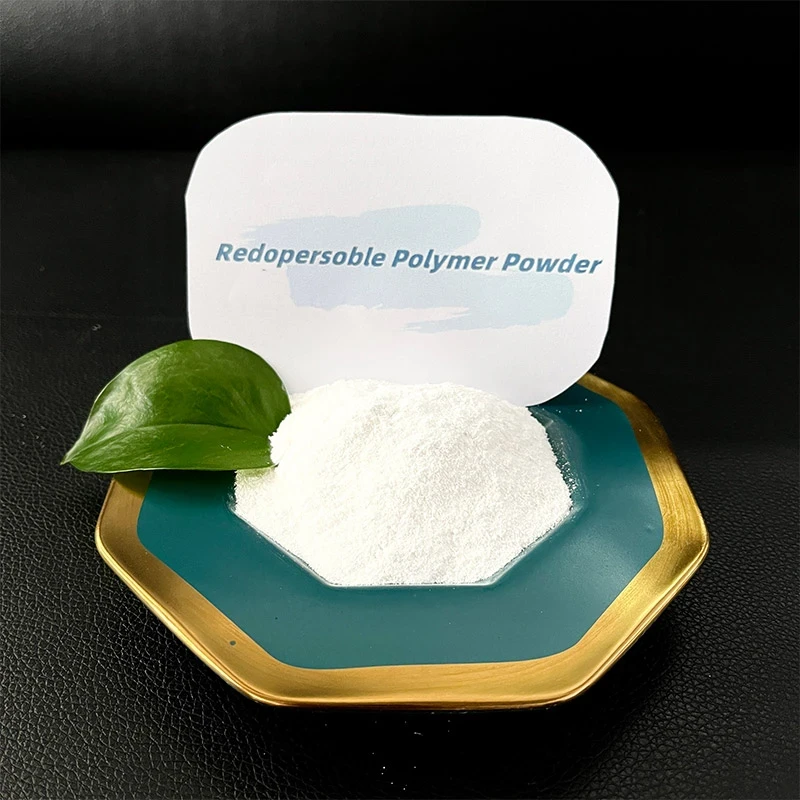
When weighing the benefits of HPMC (Hydroxypropyl Methylcellulose) against HEMC (Hydroxyethyl Methylcellulose), it is essential to delve into both substances' unique characteristics, applications, and roles. My insights are drawn from extensive experience in product formulation and material science. HPMC and HEMC have carved niches in various industries due to their versatile applications. Both are cellulose derivatives, commendably known for their solubility in water, non-toxicity, and biodegradability. However , their varying functionalities make them apt for specific usages. HPMC is widely acclaimed in the construction industry, serving as an excellent thickening agent, adhesive, and binder in cement and mortar applications. Its extensive use is attributed to its ability to improve workability, water retention, and bonding strength. Not only does it stabilize mixture components, but it also significantly reduces sagging in vertical applications. Such proficiency makes HPMC a preferred choice for tile adhesives, plasters, and renders. Conversely, HEMC shines prominently in the paint and coating industry. Its significant attribute is its exceptional thickening efficiency, which leads to improved application properties and ensures uniform film thickness. HEMC's modified etherification process imbues it with unique pseudoplastic and thixotropic properties, which are pivotal in providing superior stability and rheological control in paints. As a result, HEMC prevents sagging and running of paints, ensuring a smooth and even finish. A defining characteristic distinguishing HPMC from HEMC is their thermal gelation temperature. HPMC typically exhibits a higher thermal gelation temperature, which is advantageous in situations demanding hot environment stability. Therefore, for applications requiring film formation upon heating, such as in thermal bonding, HPMC is more suitable due to its consistent performance under elevated temperatures. hpmc vs hemc In pharmaceutical applications, both HPMC and HEMC find their place, though HPMC holds a dominant presence. HPMC is utilized extensively in tablet formulations as a binder, film former, and controlled release agent. Its ability to form strong, flexible films allows for the effective encapsulation of active ingredients, ensuring sustained release. The inert nature of HPMC ensures it does not interact adversely with drugs, preserving their efficacy. While HEMC is not entirely left out of pharmaceutical applications, its use is more circumspect. It finds use where specific pH sensitivity or unique viscoelastic properties are required. Additionally, in personal care products, the lower surface tension imparted by HEMC aids in the formulation of creams and lotions, providing a desirable sensory experience. The exploration of eco-friendly, sustainable solutions puts both HPMC and HEMC at an advantage due to their cellulose backbone. Nonetheless, manufacturers' choice between the two often aligns with the precise needs of the end product. Commercially, HPMC might offer broad-spectrum utility; however, HEMC’s specialization makes it indispensable in niche market segments. In conclusion, the decision between HPMC and HEMC should be informed by the specific application, consumer requirements, and desired outcome. A meticulous evaluation of their properties aligned with industry needs often informs judicious selection. As market demands evolve towards sustainability and performance, both HPMC and HEMC are positioned as integral components across industries, offering unparalleled benefits tailored to their respective roles.
advantages
-

200000 Viscosities
Excellent product
We can produce pure products up to 200,000 viscosities
-

40000 tons
High yield
We don’t stop production all year round, and the annual output can reach 40,000 tons
-

24 hours
Quality service
We provide 24-hours online reception service, welcome to consult at any time
———— Inquiry Form
Schedule A services
-
 hpmc_capsules_uses
Oct . 25, 2025
Redispergable Latex Powder An Innovative Solution in the Coating Industry In recent years, the deman -
 fibre_polypropylene
Oct . 25, 2025
Rubber mask powder has swiftly become a superstar in the skincare world, providing a unique and inno -
 hydroxypropyl_methylcellulose_properties
Oct . 25, 2025
Polyolefin fibers, especially polypropylene fiber , have become increasingly popular in various indu


